Petrochemicals & Chemicals

Industrial Chemicals for a Connected World

THARWAT ALEBDAA GENERAL TRADING L.L.C. develops its Petrochemicals & Chemicals division as part of its broader international trading platform, supported by the company’s Hamriyah Free Zone license, which expressly includes Petrochemicals among its approved import/export and trading activities.

Our portfolio may include Paraxylene, Benzene, Toluene, Methanol, Ethanol, Urea, Sulphur, Caustic Soda, Soda Ash and Polymers such as PE, PP and PVC, subject to applicable product-specific regulations, hazardous-material requirements, storage conditions and destination-market approvals.

TAGT’s commercial approach is focused on connecting petrochemical producers, manufacturers, exporters and established suppliers with industrial buyers, processors and distributors. Each transaction is structured around the required grade, technical specification, quantity, origin, packaging or bulk form, delivery terms, documentation and logistics requirements.

Connecting Industry Through Reliable Chemical Supply

From basic petrochemical feedstocks to industrial chemicals and polymers, TAGT aims to support international supply chains through specification-driven sourcing, commercially structured transactions and dependable coordination between supply and market demand.

Petrochemicals & Chemicals Products

  1. Paraxylene

    • Paraxylene, commonly called PX, is an aromatic hydrocarbon mainly produced from petroleum refining and petrochemical processing.
    • It is the principal raw material used to manufacture Purified Terephthalic Acid (PTA) and Dimethyl Terephthalate (DMT).
    • These intermediates are widely used in the production of polyester fibers, PET bottles, films, packaging materials and textiles.
    • Commercial paraxylene quality is generally evaluated by purity, color, bromine index, sulfur, acidity and water content.
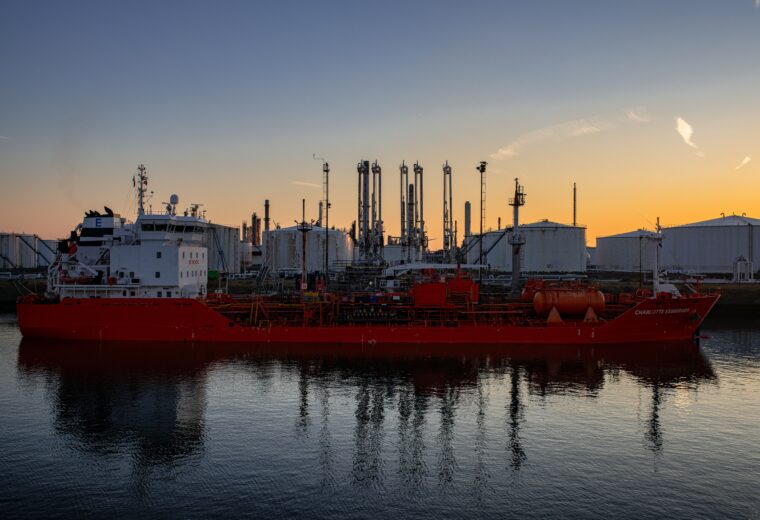
    • It is traded internationally in bulk through chemical tankers, storage terminals and dedicated petrochemical logistics systems.
    Enquire Now
  2. Benzene

    • Benzene is a clear, highly flammable aromatic hydrocarbon used as an important building block in the petrochemical industry.
    • It is used to manufacture styrene, phenol, cyclohexane, aniline, alkylbenzene and many other chemical intermediates.
    • These derivatives are further converted into plastics, synthetic fibers, resins, detergents, rubber and industrial chemicals.
    • Commercial specifications normally include purity, sulfur, water, non-aromatics, color, distillation range and crystallization point.
    • Because benzene is hazardous and carcinogenic, its storage, transport and handling require strict safety and environmental controls.
    Enquire Now
  3. Toluene

    • Toluene is a colorless aromatic hydrocarbon with strong solvent properties and is produced mainly from petroleum refining and petrochemical streams.
    • It is widely used in paints, coatings, adhesives, printing inks, chemical manufacturing and gasoline blending.
    • Toluene is also used to produce products such as benzene, xylene derivatives, polyurethane intermediates and other specialty chemicals.
    • Typical commercial parameters include purity, density, distillation range, sulfur, water content, color and non-aromatic impurities.
    • Bulk toluene is generally transported in chemical tankers, ISO tanks, road tankers and dedicated storage facilities.
    Enquire Now
  4. Methanol

    • Methanol is a clear, colorless alcohol produced mainly from natural gas, coal or renewable feedstocks through synthesis-gas processing.
    • It is an important feedstock for formaldehyde, acetic acid, MTBE, olefins, solvents and various chemical derivatives.
    • Methanol is also increasingly used as a marine fuel, gasoline blending component and feedstock for renewable-energy applications.
    • Commercial specifications typically include purity, water, acidity, ethanol content, color, permanganate time and distillation characteristics.
    • Methanol is toxic and highly flammable, so international transportation and storage require specialized safety procedures and compliant tanks.
    Enquire Now
  5. Ethanol

    • Ethanol is an alcohol produced either by fermentation of agricultural feedstocks or through petrochemical synthesis.
    • It is widely used in beverages, pharmaceuticals, cosmetics, sanitizers, industrial solvents and fuel-blending applications.
    • Fuel-grade ethanol is commonly blended with gasoline to increase octane and reduce dependence on conventional petroleum components.
    • Commercial grades include anhydrous ethanol, hydrous ethanol, industrial ethanol and food or pharmaceutical-grade ethanol.
    • Key quality parameters include ethanol content, water, methanol, acidity, density, color, impurities and denaturant requirements where applicable.
    Enquire Now
  6. Urea

    • Urea is a nitrogen-rich chemical compound primarily manufactured from ammonia and carbon dioxide.
    • It is one of the world's most widely used nitrogen fertilizers because of its high nitrogen content of approximately 46%.
    • Urea is also used in resins, adhesives, animal feed supplements, industrial chemicals and diesel exhaust fluid production.
    • Commercial fertilizer grades are generally assessed for nitrogen content, moisture, biuret, granule size, crushing strength and free-flowing characteristics.
    • It is commonly traded as granular or prilled material in bulk vessels, jumbo bags and standard fertilizer bags.
    Enquire Now
  7. Sulphur

    • Sulphur is a yellow, non-metallic element recovered mainly as a by-product of oil refining and natural-gas processing.
    • It is principally used to manufacture sulfuric acid, which is essential for fertilizers, mining, chemicals, batteries and many industrial processes.
    • Sulphur is commercially supplied in forms such as granules, prills, pastilles, lumps and molten liquid.
    • Quality parameters generally include sulfur purity, moisture, ash, acidity, carbon content and particle size.
    • Bulk sulphur is transported by vessel, rail, truck and specialized molten-sulphur tank systems depending on its physical form.
    Enquire Now
  8. Caustic Soda

    • Caustic soda, or sodium hydroxide (NaOH), is a highly alkaline industrial chemical produced mainly through the chlor-alkali process.
    • It is widely used in pulp and paper, alumina refining, detergents, textiles, water treatment, petroleum refining and chemical manufacturing.
    • Commercial caustic soda is commonly supplied as a liquid solution, often around 48–50%, or as flakes, pearls or solid forms.
    • Typical specifications include NaOH concentration, sodium carbonate, sodium chloride, iron and other impurities.
    • Because it is strongly corrosive, caustic soda requires compatible storage tanks, protective equipment and controlled transportation procedures.
    Enquire Now
  9. Soda Ash

    • Soda ash, or sodium carbonate (Na₂CO₃), is an important inorganic chemical produced naturally or through synthetic manufacturing processes.
    • It is mainly used in glass manufacturing, detergents, chemicals, water treatment, metallurgy and pulp-and-paper production.
    • The principal commercial grades are light soda ash and dense soda ash, with different bulk densities and industrial applications.
    • Quality specifications normally include sodium carbonate content, chloride, iron, insoluble, moisture and bulk density.
    • Soda ash is generally supplied in bulk, jumbo bags or smaller industrial packaging for domestic and international markets.
    Enquire Now
  10. Polymers / PE / PP / PVC

    • Polymers are large molecular materials used extensively in packaging, construction, automotive, consumer goods, pipes, textiles and industrial manufacturing.
    • Polyethylene (PE) includes grades such as HDPE, LDPE and LLDPE and is widely used for films, bottles, pipes and molded products.
    • Polypropylene (PP) is valued for its strength, chemical resistance and low weight and is used in packaging, fibers, automotive parts and household goods.
    • Polyvinyl Chloride (PVC) is widely used in pipes, profiles, cables, flooring, construction products and flexible plastic applications.
    • Commercial polymer specifications commonly include melt flow rate, density, tensile strength, impact properties, additives, color and grade-specific processing requirements.
    Enquire Now

Our Trading Philosophy

Professional Trade Begins with Clear Commercial Understanding

At TAGT, the emphasis is on building trading relationships around clear product requirements, appropriate commercial documentation and responsible business engagement.

Understand the Requirement-1

Understand the Requirement

Identify what the buyer requires in terms of product, grade, quantity and commercial expectations.

Identify the Opportunity

Identify the Opportunity

Engage with suitable producers, manufacturers, suppliers or exporters.

Establish the Commercial Terms

Establish the Commercial Terms

Clarify product, quantity, price, delivery structure and transaction requirements.

Maintain Documentation Discipline

Maintain Documentation Discipline

Support the transaction through clear and appropriately executed commercial documentation.

Understand the Requirement

Build Long-Term Partnerships

Develop trading partnerships capable of supporting future and repeat business.

Let's Grow Together Through Global Trade

Build reliable, long-term business relationships through trusted commodity sourcing, supply, and international trade

Partner With Us

Mask group

Commodity Enquiry

Share your requirement and our trading team will get back to you.